More content. Less time. Tighter budgets.
Here’s how creative direction is evolving to keep up.
Great campaigns rarely fail because of weak ideas. More often, they fall apart in execution.
As marketing becomes more complex, spanning social content, video, photography, and motion graphics, the gap between creative strategy and production has become harder to manage. At the same time, brands and agencies are being asked to do more with less: tighter timelines, leaner budgets, and higher content demands.
That shift is changing how creative work gets done.
At TRG, that evolution is led by Director of Brand Strategy & Creative, Krista, whose role connects business goals, creative strategy, and production from the start. With experience on both the brand and agency side, she brings a unique perspective – understanding not just how ideas are developed, but how they need to perform.
Connecting Strategy to Production
Creative strategy or direction can come from many places. Sometimes a brand or agency arrives with a fully developed concept, and other times a client comes to TRG with a broader goal: launching a product, refreshing a campaign, or building a new content library.
Whether the creative originates at TRG or not, Krista helps guide the process to ensure there is a strong connection between business objectives and creative execution.
So, how does it work?
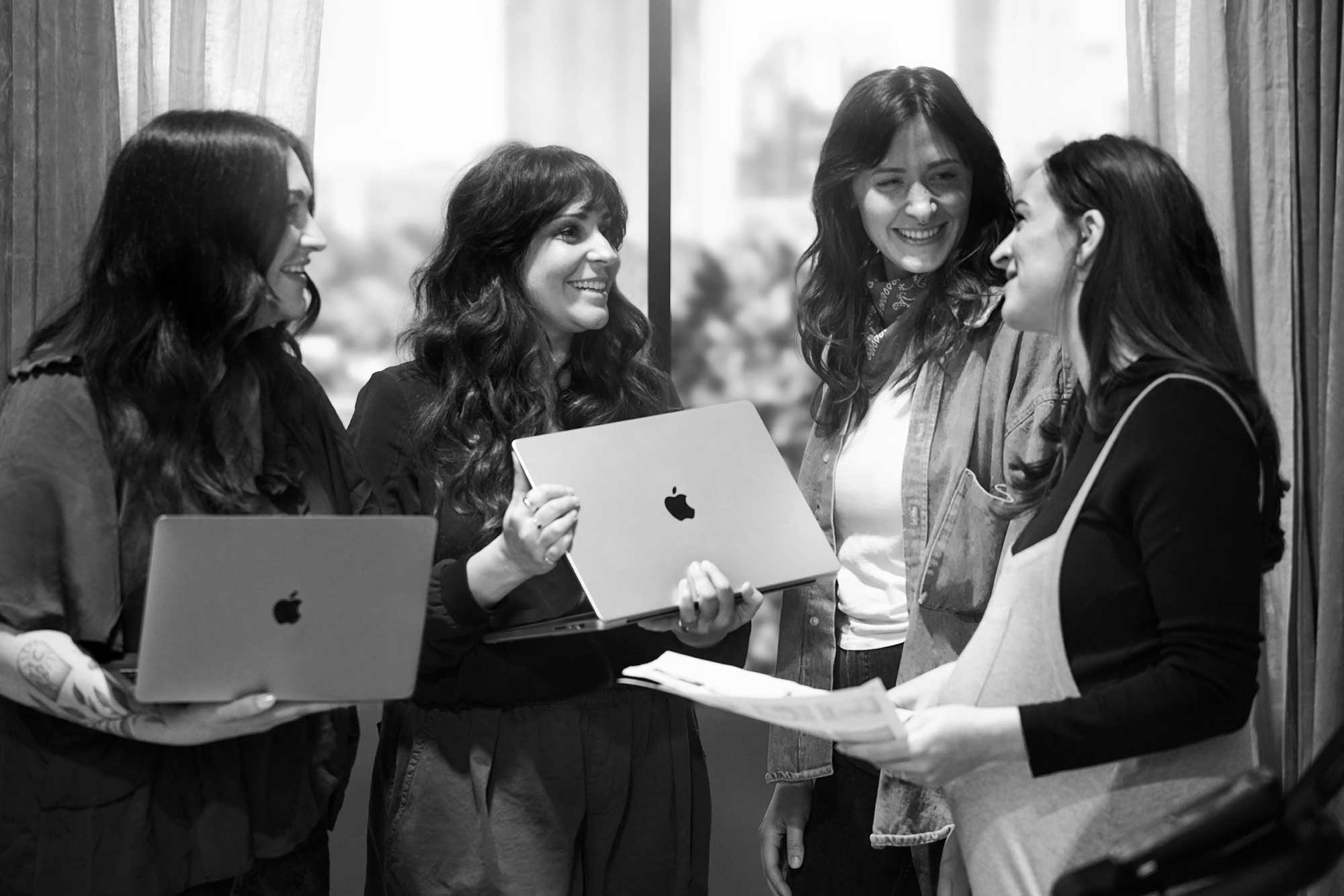
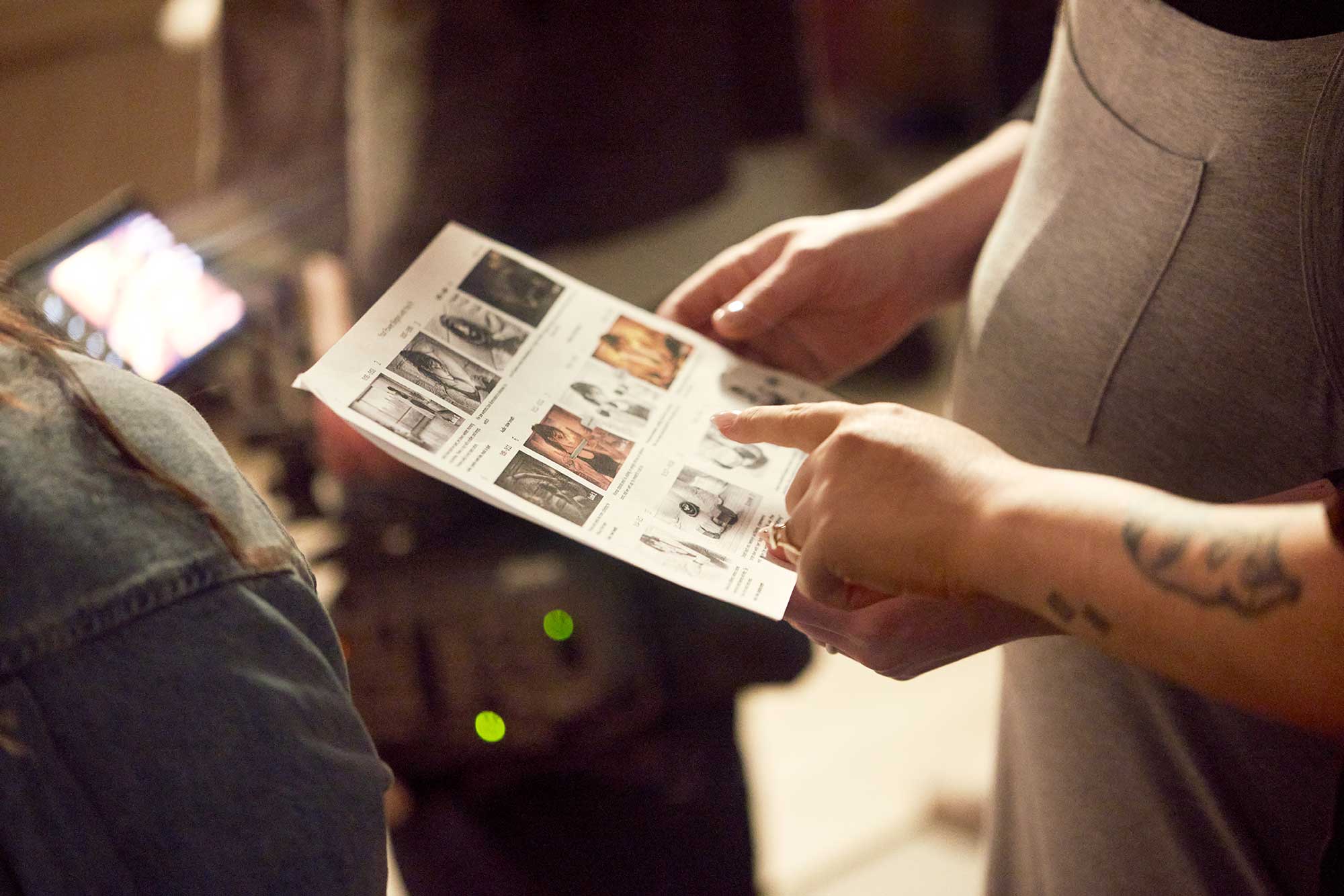
When a concept needs development, she leads collaborative brainstorming sessions that bring together the same teams responsible for executing the work (art directors, photographers or DPs, editors, and members of the innovation team). By building ideas alongside the people who will bring them to life, the process becomes more streamlined, reducing unnecessary handoffs and helping shape concepts that are both visually compelling and efficient to produce.
When agencies or clients bring an existing concept, TRG works alongside them as a partner, helping translate the vision into a production approach that works across platforms while maintaining the integrity of the original idea.
Because many modern campaigns are hybrid, combining photography, video, CGI, and digital content, having creative direction integrated into the process helps ensure each piece contributes to a cohesive visual story.
Building the Visual World
Once a creative direction is established, the focus shifts to shaping the visual environment that supports it.
Every element of a production contributes to how a brand is perceived. Lighting, color palettes, set design, and prop choices all contribute to reinforcing the intended message.
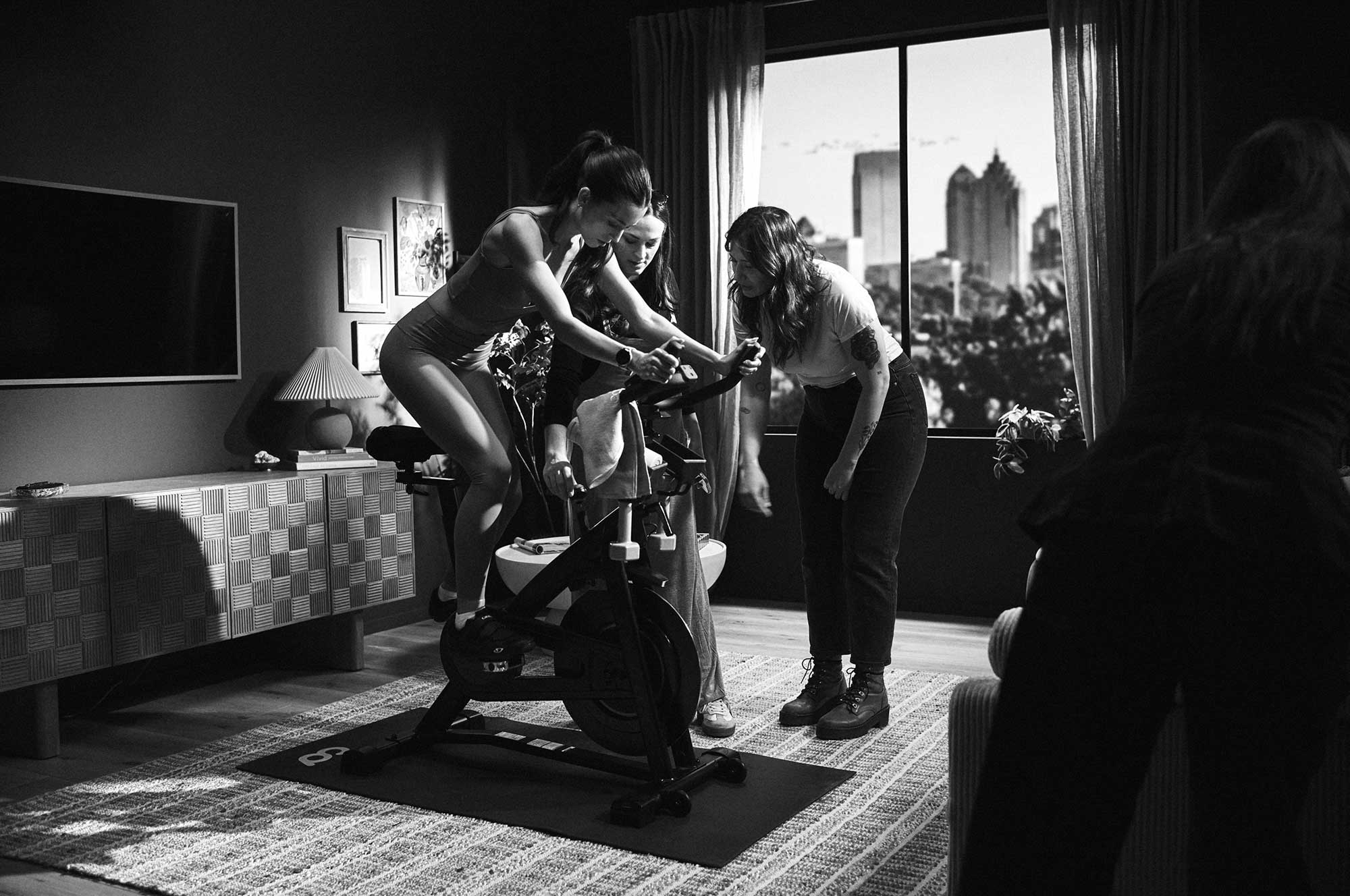
At TRG, this stage becomes a collaboration across the studio’s creative team. Krista serves as a constant reference point throughout the process, helping guide decisions, solve challenges, and ensure the visual execution stays aligned with the original concept and business goals.
Creative Storytelling Driven by Results
For Krista, creative storytelling isn’t just about aesthetics—it’s about results.
Her philosophy is that every element of a project should support a brand’s goals and be informed by consumer insight. From set design and color palettes to production approach and technology, each decision is made with intention and tied back to how the campaign will perform.
“I think of creative direction almost like a science. Every element, from set design to music to messaging, should support the goal of the campaign and contribute to the result we’re trying to achieve.”
Having worked both client-side and agency-side, Krista understands how creative needs to function across teams. That perspective helps ensure ideas are not only strong conceptually but are also practical, efficient, and aligned with how brands measure success.
A More Connected Approach to Production
As production workflows continue to evolve, integrating strategy and execution is becoming less of a luxury and more of a necessity.
By bringing creative direction, production, and execution together under one roof, TRG helps eliminate the gaps where ideas can get lost, reducing friction, improving efficiency, and ultimately making budgets work harder.
For brands and agencies alike, connecting strategy directly to production doesn’t just streamline the process—it leads to stronger creative and better results.